

Hair Growth Tonic

Photo Credit: felibrilu

Thinning hair is always a result of something that is happening inside the body. If you have thinning hair, take a look at:

  • Your diet and level of nutrient density.
  • If you have recently changed your diet and could be detoxing.
  • If you are aware of any chronic or acute bodily conditions.
  • If you have experienced any highly stressful situations recently.

Once you have investigated into the above factors, the following recipe can also be of service:

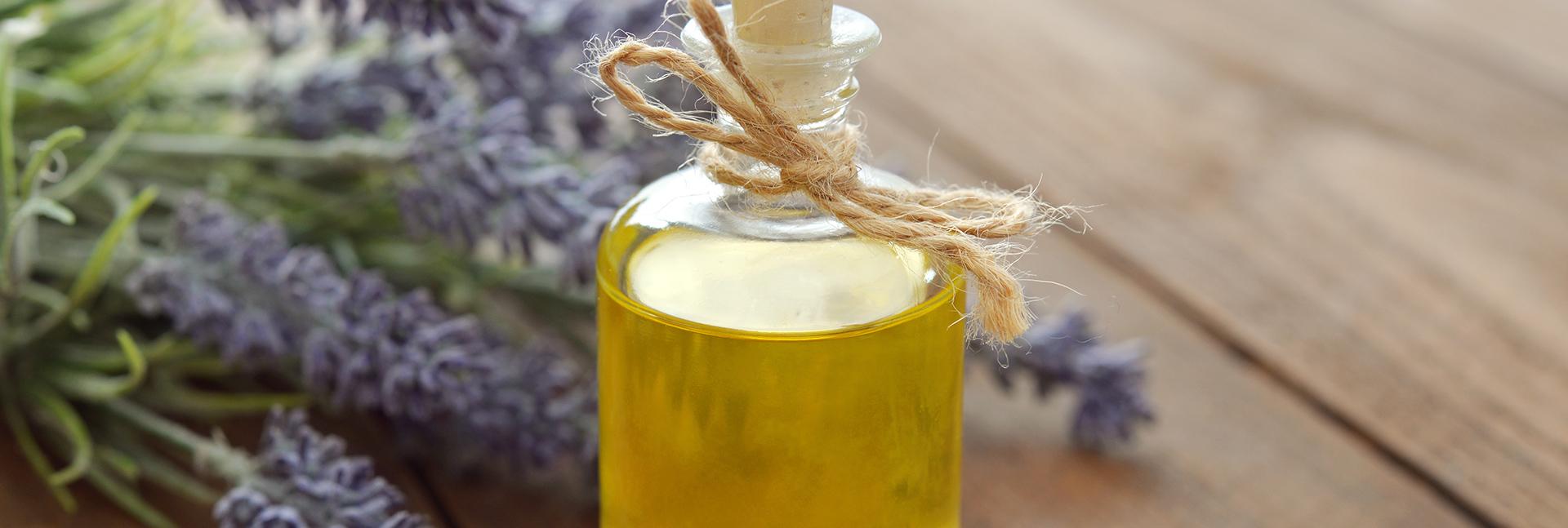
* 2 drops Thyme essential oil ( Thymus vulgaris )

* 2 drops Atlas cedarwood essential oil ( Cedrus atlantica )

* 3 drops Lavender essential oil( Lavandula angustifolia )

* 3 drops Rosemary essential oil ( Rosmarinus officinalis )

* 3 ml teaspoon Jojoba oil

* 20 ml Grapeseed oil
Mix essential oils into a small glass jar. Then add the remaining carrier oils. Mix thoroughly.
Massage into your scalp for at least two minutes every night. Wrap your head in a warm towel after treatment to enhance absorption. Sleep with it on your scalp or leave on for an hour before washing.

This recipe comes from: http://www.aromatherapy-at-home.com/
Bookmark and Share

The Secret to Soft, Shiny Locks

Jill

The products you use to care for your hair have a massive effect on the beauty of your hair. They can either nourish your hair or damage it. Chemical, artificial hair care products always severely damage your hair, even though they claim to do the opposite. Other factors also play an integral role in the overall health and beauty of your hair. Poor nutrition, hormonal changes, chemicals, chlorinated water, pollutants, and alcohol consumption can all impair hair health. Skin is beautified with nourishment inside (nutrition, etc.) and out (nutritious skin products). The same is true for hair! Beautiful hair is not just something you are born with, how you nourish your body and your hair is what makes the difference!

Stunning Hair from the Inside Out

*HYDRATE! Drink half your weight in ounces of spring or at least purified water per day.

*Foods for healthy hair include (all organic, if possible) dark green leafy vegetables, almonds, blackberries, papayas, plums, celery, green beans, sweet potatoes, pumpkin, sesame and sunflower seeds, buckwheat, millet, sea vegetables, garlic, onion, olive oil, avocado.

*Hair is comprised of 95-97% protein and 3% moisture.
So, Plant proteins are particularly beneficial: spirulina, green leafy veggies, sprouts, raw nuts, raw seeds, sun-cured olives , avocado.

*Herbs or herbal teas: alfalfa, burdock root, horsetail, ho shou wu, nettle, oat straw.

*Drink plenty of fresh organic vegetable juices.

*Nutrients preferably from food (listed above) or from supplementation if needed: Zinc, Vitamin A, Vitamin C, Vitamin E, Vitamin B complex: PABA, Folic Acid, Biotin.

*Camu camu when added to hair care products strengthens, untangles, and protects hair from external damage.

*Sulfur is also particularly beneficial. MSM is a great way to get plenty of sulfur. Cacao is also high in the beauty mineral sulfur. Sulfur builds strong nails and hair, promotes beautiful skin, detoxifies the liver, and supports healthy pancreas functioning.

*Most importantly (besides water) PLENTY of Omega-3 Fatty Acids.

Best sources Omega-3 Fatty Acids:

* Flax seeds and fresh flax oil
* Hemp seeds and fresh hemp oil
* Chia seeds
* Walnuts
* Marine Phytoplankton

Care your Hair with these Special Tips

* Scalp Massages promote hair beauty, help prevent hair loss, stimulate the sebaceous glands, and improve circulation. Add 3-4 drops of Rosemary Essential oil to your fingers. Apply fingertips to your scalp and move in small circular motions for one minute in each area of your scalp. Work from hairline to sides, then over crown to the base of your neck, the way the blood flows to the heart. Inverting your head by bending forward while doing the massage is especially beneficial.
* Brushing the hair helps distribute he scalp’s oils to the full length of the hair and increases circulation the scalp. Start brushing at the ends of your hair and work up, brushing a few inches higher after every few strokes. Hold your hair while brushing it to avoid breakage and tugging at your scalp. It is good to brush your hair before washing it. Avoid brushing when wet because it is more likely to break due to its weaker hydrogen bonds.
* Avoid washing hair daily. For very oily hair, wash every other day maximum. For normal to dry hair, wash once or twice a week. Wash your hair in warm water and rinse with cool water to close the outer covering of the hair shaft. Squeaky clean hair is a sign of damage and not something to strive for.
* Consider getting a shower filter if you are not on well water. It will help protect your hair, skin, and your body (through absorption) from chlorine and other dangerous and damaging chemicals.

* Much gratitude for the wonderful book, Beauty by Nature by Brigitte Mars, from which much of the above is sourced.

Bookmark and Share

The Dirty Thirty

Photo Credit: OrangeCounty_Girl

Photo Credit: OrangeCounty_Girl

If you see any of the following ingredients in skin, hair, oral, and body care products, NEVER purchase them. Or, if you already have the products, THROW THEM OUT immediately (please try to dump out the contents, and wash, then recycle the container). Remember, even many so-called ‘natural’ products contain these ingredients.

This list was compiled by Teens for Safe Cosmetics (www.TeensforSafeCosmetics.org).

1.      ALUMINUM ZIRCONIUM and OTHER ALUMINUM COMPOUNDS

Function: Used to control sweat and odor in the underarms by slowing down the production of sweat.

Present in: Antiperspirants. Banned by EU.

Health concerns: Linked to the development of Alzheimer’s Disease; may be linked to breast cancer; probable neurotoxin; possible nervous system, respiratory, and developmental toxin.

2.       BENZYL ACETATE

Function: Solvent; hidden within “fragrance.”

Present in: Many cosmetics and personal care products, read labels.

Health concerns: Linked to pancreatic cancer; easily absorbs into skin causing quick systemic effects; animal studies show hyperemia of the lungs; possible gastrointestinal, liver, and respiratory toxicant; possible neurotoxin.

3.       BENZALKONIUM CHLORIDE and BENZETHONIUM CHLORIDE

Function: Antimicrobial agent, deodorant, preservative, biocide.

Present in: Moisturizer, sunscreen, facial cleanser, acne treatment, pain relief. Restricted in Japan and Canada.

Health concerns: Immune system toxicant; may trigger asthma; possible organ system toxicant; animal studies show endocrine disruption and brain, nervous system, respiratory and blood effects; possible carcinogen.

4.       BRONOPOL

Function: Preservative.

Present in: Moisturizer, body wash, facial cleanser, makeup remover, anti-aging products. Restricted in Canada.

Health concerns: Immune system toxicant; lung and skin toxicant; animal studies show endocrine disruption and gastrointestinal, brain and nervous system effects; irritant.

5.       BUTYL ACETATE

Function: Solvent in polishes and treatments, prevents chipping.

Present in: Nail polish and nail treatments.

Health concerns: Repeated exposure causes skin dryness and cracking; vapors may induce drowsiness or dizziness; flammable.

6.       BUTYLATED HYDROXYTOLUENE (BHT)/ BUTYLATED HYDROXYANISOLE (BHA)

Function: Anti-Oxidant; slows down the rate at which product ingredients change in color.

Present in: Many cosmetics and personal care products, read labels.

Banned by EU.

Health Concerns: Immune system toxicant; endocrine disruptor; probable human carcinogen; animal studies show brain, liver, neurotoxin, reproductive and respiratory toxicant.

7.       ETHOXYLATED INGREDIENTS:CETEARETH/PEG COMPOUNDS

Function: Surfactant, emulsifying or cleansing agent, penetration enhancer.

Present in: Many cosmetics and personal care products, read labels.

Health concerns: Animal studies show brain, nervous system and sense organ effects; irritant; reproductive and skin toxin, alters skin structure, allowing other chemicals to penetrate deep into the skin and increasing the amounts of other chemicals that reach the bloodstream; may contain harmful impurities.

8.       COAL TAR

Function: Controls itching and eczema, softens and promotes the dissolution of hard, scaly, rough skin, also used in hair dyes.

Present in: Shampoo and Hair Dye. Banned by Canada and EU.

Health concerns: Known human carcinogen; skin and respiratory toxicant.

9.       COCAMIDE DEA/ LAURAMIDE DEA

Function: used as foaming agents in shampoos and bath products, and as emulsifying agents in cosmetics; foaming and cleansing agents for “mouth feel.”

Present in: Many cosmetics and personal care products, read labels.

Health concerns: Human immune system toxicant; forms carcinogenic nitrosamine compounds if mixed with nitrosating agents; animal studies show sense organ effects and skin irritation; may contain harmful impurities.

10.   DIETHANOLAMINE (DEA)

Function: pH adjuster.

Present in: Sunscreen, moisturizer, foundation, hair color.

Health concerns: Skin and immune system toxicant; possible carcinogen; irritant; animal studies show endocrine disruption and neuro developmental, brain and nervous system effects; may trigger asthma.

11.   ETHYL ACETATE

Function: Solvent.

Present in: Nail polish products, mascara, tooth whitening, perfume.

Health concerns: Probable neurotoxin; possible nervous system toxin; possible carcinogen; irritant; highly flammable

12.   FORMALDEHYDE

Function: Disinfectant, germicide, fungicide, preservative.

Present in: Deodorant, nail polish, soap, shampoo, shaving cream. Restricted in Canada. Banned by EU.

Health concerns: Immune system, repertory, hematological, and skin toxicant; probable carcinogen and cardiovascular toxicant; can damage DNA; may trigger asthma; animal studies show sense organ, brain, and nervous system effects; possible human development toxicant.

13.   FORMALDEHYDE-RELEASING PRESERVATIVES ( QUATERNIUM-15, DMDM HYDANTOIN, DIAZOLIDINYL UREA AND  IMIDAZOLIDINYL UREA, DEA, MEA, TEA)

Function: Anti-microbial preservative.

Present in: Many cosmetics and personal care products, read labels.

Health concerns: Forms nitrosamines when in the presence of amines such as MEA, DEA and TEA; probable immune system, blood, cardiovascular and skin toxicant; possible carcinogen; animal studies show endocrine disruption, nervous system and organ system effects; may contain harmful impurities.

14.   FRAGRANCE (PARFUM)

Function: Deodorant, masking, perfuming

Present in: Many cosmetics and personal care products, read labels.

Health concerns: Immune system toxicant; possible neurotoxin; can contain between 10 and 300 different chemicals, many of which have never been tested for safety; see phthalates. Labeling can be confusing. If uncertain, check with manufacture.

15.   HYDROQUINONE

Function: Antioxidant, fragrance ingredient, skin bleaching agent, hair colorant.

Present in: Skin fading/lightener, facial moisturizer, anti-aging, sunscreen, hair color, facial cleanser and moisturizer. Restricted in Canada.

Health concerns: Immune system and respiratory toxicant; probable neurotoxin; possible carcinogen; irritant; animal studies show endocrine disruption.

16.   IODOPROPYNYL BUTYLCARBAMATE

Function: Preservative.

Present in: Many cosmetics and personal care products, read labels. Restricted in Japan.

Health concerns: Human toxicant; possible liver immune system toxin; allergenic.

17.   LEAD and LEAD COMPOUNDS

Function: Colorant.

Present in: Hair dye, hair products. Traces found in some red lipstick. Restricted in Canada.

Health concerns: Probable carcinogen; developmental, respiratory, gastrointestinal and reproductive toxicant; reduced fertility; animal studies show metabolic, brain and nervous system effects; suspected nano-scale ingredients with potential to absorb into the skin

18.   METHYLISOTHIAZOLINONE (MI/MCI) and METHYLCHLOROISOTHAIZOLINONE

Function: Preservative.

Present in: Many cosmetics and personal care products, read labels. Restricted in Canada and Japan.

Health concerns: Immune system toxicant; animal studies show restricted growth of the axons and dendrites of immature nerves, neurotoxicity and positive mutation results; can lead to a malfunction in the way neurons communicate with each other; especially detrimental to  a developing nervous system.

19.   OXYBENZONE (BENZPENONE-3)

Function: Sunscreen Agent; Ultraviolet Light Absorber, UV Absorber; UV Filter.

Present in: Sunscreens and makeup

Health concerns: Associated with photoallergic reactions and immunotoxicity.  Probable carcinogen and endocrine disrupter; Enhanced skin absorption and bioaccumulates to dangerous levels; biochemical cellular changes.  Developmental and reproductive toxicity.

20.   PARABENS (METHYL, ETHYL, PROPYL AND BUTYL)

Function: Preservative and anti-bacterial agent.

Present in: Many cosmetics and personal care products, read labels.

Health concerns: May alter hormone levels, possibly increasing risk for certain types of cancer, impaired fertility, or alteration of the development of a fetus or young child; studies have found parabens in breast tumors; probable skin toxicant; animal studies show brain and nervous system effects.

21.   PETROLATUM (PETROLEUM)

Function: Forms barrier on skin; makes lipsticks shine and creams smoother; inexpensive skin softener.

Present in: Many cosmetics and personal care products, read labels. Banned by EU.

Health concerns: May be contaminated with impurities, linked to cancer or other significant health problems.

22.   PHTHALATES (DIBUTYL PHTHALATES)

Function: Fragrance ingredient, plasticizer, solvent.

Present in: Many cosmetics and personal care products, read labels. Banned in EU.

Health concerns: Immune system toxicant; developmental and reproductive toxin; respiratory toxicant; probable neurotoxin; possible carcinogen and endocrine disruptor; bio-accumulative in wildlife.

23.   P-PHENYLENEDIAMINE (PPD)

Function: Hair colorant.

Present in: Hair dye, shampoo, hair spray. Restricted in Canada.

Health concerns: Immune system and respiratory toxicant; probable neurotoxin; eczema; possible nervous system, skin, kidney and liver toxicant; irritant; may trigger asthma and gastritis; shown to cause cancer in animal studies.

24.   PROPYLENE GLYCOL

Function: Solvent, penetration enhancer, conditions skin, controls viscosity and keeps products from melting in high or freezing when it is cold.

Present in: Many cosmetics and personal care products, read labels.

Health concerns: Alters skin structure, allowing other chemicals to penetrate deep into the skin and increasing the amounts of other chemicals that reach the bloodstream; animal studies show reproductive effects, positive mutation results, brain and nervous system effects and endocrine disruption.

25.   SODIUM LAURETH SULFATE

Function: Surfactant, penetration enhancer.

Present in: Many cosmetics and personal care products, read labels.

Health concerns: Alters skin structure, allowing other chemicals to penetrate deep into the skin, increasing the amounts of other chemicals that reach the bloodstream; Irritant; animal studies show sense organ effects.

26.   TALC

Function: Absorbs moisture, anti-caking agent, bulking agent.

Present in: Blush, powder, eye shadow, baby powder, deodorant.

Health concerns:  Carcinogen; link between talcum powder and ovarian cancer; talc particles are similar to asbestos particles and data suggests that it can cause tumors in the lungs; probable respiratory toxin;

27.   TOLUENE

Function: Antioxidant, solvent to improve adhesion and gloss.

Present in: Nail polish and hair dye.

Health concerns: Liver toxin; probable developmental, nervous system and respiratory toxin; possible cardiovascular, musculoskeletal, renal and sense organ toxin; possible carcinogen and reproductive toxin; irritant; highly flammable;

28.   TRICLOSAN

Function: Anti-bacterial agent, deodorant, preservative, biocide. Reduces and controls bacterial contamination on the hands and on treated products.

Present in: Antibacterial soaps, deodorants, toothpastes, mouthwashes, face wash and cleaning supplies. Restricted in Japan and Canada.

Health concerns: Probable endocrine disrupter and carcinogen; easily bio-accumulates to dangerous levels; irritant; animal studies show reproductive and other broad systematic effects; potentially contaminated with impurities linked to cancer and other significant health problems; studies have shown it can actually induce cell death when used in mouth washes.

29.   TREITHANOLAMINE (TEA)

Function: Fragrance ingredient, pH adjuster, surfactant.

Present in: Hand & body lotion, shaving creams, soap, shampoo, bath powders and moisturizer.

Health concerns: Immune system toxicant; possible carcinogen; animal studies show endocrine disruption; may trigger asthma; forms carcinogenic nitrosamine compounds if mixed with nitrosating agents.

30.    1,4 DIOXANE

Function: Penetration enhancer

Present in: Body lotion, moisturizers, sunless tanning products, baby soap, anti-aging products..

Health concerns: EPA classifies it as a probable carcinogen found in 46 of 100 personal care products marketed as organic or natural, and the National Toxicology Program considers it a known animal carcinogen.  Acute (short-term) inhalation exposure to high levels of 1,4 dioxane has caused vertigo, drowsiness, headache, anorexia and irritation of the eyes, nose, throat and lungs of humans.  It may also irritate the skin.

Bookmark and Share

Beauty Foods Recipe: 5-minute yum salad with Ginger Mint Tahini Hemp Dressing

fast easy yum salad

I literally made this salad spontaneously while sitting on the floor of our tiny RV (the RawVee). Don’t worry – the floor is very clean, carpeted, and no food touched it. :) I just used the ingredients we happened to have here in our little refrigerator and fruit and veggies basket. My husband, Jed, gushed over how good it was, so I thought I’d share it. It took me only about 5 minutes to make!!

Salad

All Organic & Raw:

  • Add any greens you happen to have around to a bowl the size of your hunger. I used Spinach.
  • I did not have an abundance of spinach, so I added handfuls of fresh curly Parsley and fresh Cilantro.
  • I tore all of these up into pieces.
  • Next, I diced 2 stalks of Celery and tossed it in.
  • Then, I diced a Radish or two.
  • I cut plenty of Cherry Tomatoes in half and added them to the bowl.

Dressing

Add the following to your Vita-Mix or blender.

All Organic & Raw:

  • 1/2 inch fresh Ginger
  • 6 -10 fresh Mint leaves, depending on your love for mint
  • 2 Tbl Tahini
  • 3 Tbl Hemp Seeds
  • Half a Lemon (seeded) or Lemon Juice of 1 lemon
  • 1/2 – 1 clove garlic
  • 1 Tbl of Flax, Hemp, or Olive Oil (optional)
  • 1 tsp Billy’s Infinity Greens
  • 5-8 Shakes of Herbamare (to taste) or Himalayan or Celtic Sea Salt
  • add Living Spring Water, or at least purified water to just cover the ingredients in blender, or depending of how liquidy or creamy you want it.

Blend until smooth, pour over salad, and toss.

Enjoy in love and gratitude!

Bookmark and Share

How to Travel in Health, Vibrancy, and Gratitude

Baby Coconut Tree


Traveling within the country

I always plan in advance when I am going to be away from home for several hours and when traveling for a longer period of time. I bring snacks like veggies, fruit, nuts, etc. when away from home or traveling. When on a road trip or camping, I bring a cooler full of fresh food and veggie juice I make just beforehand. I also bring a green food powder, like Billy’s Infinity Greens, so that when the veggie juice runs out I have an easy dose of energy and nutrients – just add water. When traveling by airplane, I also always bring my own snacks. The food at airports should be avoided at all costs. Never get stuck there hungry and unprepared. Also, I find out ahead of time where natural foods markets and sometimes where raw and vegan restaurants are at every destination. Always plan to nourish yourself with healthy, fresh food where ever you are! You’ll find yourself more energized, relaxed, and content.

Traveling Internationally

Traveling from a place of gratitude and abundance is so essential for having an enjoyable, expansive experience, and for being a gift to the places and people you are around wherever go you (rather than being a burden or bringing negativity). Be at peace with and have no expectations of having access to the same types of foods that you have at home. For instance in South and especially Central America, there are very few vegetables available. There are veggies like carrots, zucchini, cucumber, cabbage, and onion in many local markets, but for the most part they are imported from Mexico. If you are used to receiving your veggies organic and fresh from the garden or farm, like I am, it is best to see these foods as blessings and infuse them with blessings, as they are not fresh, pretty, or organic. In most countries, there is no Organic Certification and in fact the same meaning of the word ‘organic’ does not exist. There is a plethora of fresh tropical fruit: Papaya, Watermelon, Pineapple, Banana, and Plantain. Most of the fruit is not organic either. There is the potential that some fruit from very small orchards could be, but there just is no way of knowing.

Tip: Most nourishing, highest quality food to eat while in a tropical place: wild coconuts right from the tree.

Bring along what you can

I brought along Billy’s Infinity Greens, as I always do when I travel. I also brought Raw Organic Royal Jelly Powder. For solid food, I brought seeds and nuts. Dried fruit, like Goji Berries, are also great. Any food that is not immediately perishable, and is simple and full of nutrients is ideal. Jed and I only brought very small backpacks with us, so I had a minimal amount of space for food. I fairly quickly went through my solid food, as  adjusted to the smaller amount of food that was available. By the time I ran out, my body adjusted to the smaller amount of food, and the coconut and fruit became more satisfying.

Know food names in the language of the country you are visiting

This is essential for receiving what you want and avoiding what you don’t want.

Blessing the Food

I am someone who would much rather fast than eat low quality food. I would prefer to live on water rather than eat non-organic food. But, while traveling, it just was not possible to do a long-term fast without have a nourishing structure to be part of. I also am not a proponent of long-term water fasting. Therefore, I had to surrender to the fact that I was going to be eating non-organic food and rather than focus on that fact, I focused on being grateful for that food. I have a practice of saying a prayer of gratitude for food before I eat it. When the quality is questionable, I also add a blessing to the food by placing my hands over it or just by speaking silent words to infuse it with love, health, and increase its vibrational energy.

Eating Raw while traveling

Eating raw while traveling in the US, or other countries where fresh, organic food is available is the easiest thing in the world! We are SO blessed! Here’s what I do: for the most part, except from time to time when there a tantalizing raw restaurant nearby or I feel a desire for more complex flavor, I eat as simply as possible. I do not require “meals” and really no preparation. I primarily mono-eat, or eat one type of food at time, for ease of digestion, assimilation of nutrients, for the pure joy of simplicity and of taste of pure foods just as they have been gifted to us. This makes traveling so free, easy, and delightful. All you have to do is bring organic veggies, fruit, nuts, seeds, sprouts, (and dehydrated snacks if you wish) with you. Fresh fruits and veggies that are easy to travel with are: all fruits, avocado, sprouts, cucumber, sugar snap peas, carrots, celery, etc. I also shamelessly stuff handfuls of mixed greens and lettuces in my mouth. If I am traveling in a car or have access to a car, I also am always visiting the local natural foods markets, or even check for raw food restaurants if I am near an area that I suspect could have one.

While traveling internationally, especially to third world countries, it can be very challenging to eat raw, especially if food quality is essential to you. Eating raw in certain areas of the world, like South America, Asia, and Africa can also create health challenges due to bad water for washing the veggies.

Find a trusted source of food

In Ecuador, I researched and guided myself to places where the food came from an organic garden, as much as I possibly could. There are a few inns and resorts throughout the country that do have their own organic gardens where much of their produce comes from. I did not eat anywhere but three trusted places the entire time we were there, and yet I still managed to pick up unwanted friends – parasites and bacteria.

Deciding whether to travel raw or not

I have been eating purely 100% raw vegan organic food for nearly two years now and even just eating one meal of cooked food would be a huge shock to my body. I felt that trying my absolute best to minimize risk of food contamination while maintaining my diet for the sake of my body, my beliefs, and my consciousness outweighed the perceived ’safety’ of eating cooked foods with or without unhealthy refined oils, refined salt and seasonings. etc. HOWEVER, if you do not eat raw, or eat a percentage of raw, I do suggest that you avoid eating uncooked vegetables. Only eat fruit that has a thick peel-able skin. Do not drink anything made with ice. (Sometimes you can watch them make smooties, which is the best option for me – especially when I saw the cook dumping spoonfuls of white sugar into it!) Fresh Juice without ice or water is okay. And of course, only drink bottled water directly out of the bottle or that you have seen come from a sealed bottle.

You don’t have to eat only raw to travel healthily

Prepare several cooked meals ahead of time and pack them in glass containers or BPA-free plastic storage containers. Prepare items are good to eat cold. Bring plenty of your favorite healthy snacks with you. Stop at natural food markets, instead of eating out, if possible.

Being Different

Living in the United States and especially California is a very unique experience. There really aren’t any other places in the world that are remotely similar, in a vast number of ways. One such way is food. From my experience traveling through most of our beautiful country, California is the capitol of conscious eating and especially Living Foods. I have felt so embraced, included, and (almost :) ‘normal’ in California. I had the exact opposite experience while traveling in Belize and Ecuador. There was absolutely no comprehension what was eating ‘organic’, ‘vegan’, or ‘raw’ meant, and why one would do that. Some people treated me as an alien out of curiosity, but primarily as alien for being completely crazy, strange, and silly! I always do my absolute best to be in total respect and honor of people and their culture. Therefore, I was in full respect of any feelings around my way of living. My personal tendency is that I do not like attention. I try to be under the radar as much as possible. However, since eating is something that we all do regularly, and I either had to ask for what I needed (since I was entirely reliant on other people for food most of the time), or I was eating around other people and they were curious about me. Oh my, this was quite a learning and practice of awareness, surrender, and patience for me. I do not like attention, and yet I received around the clock attention. I prefer not to defend my choices around food or my way of being in general conversation, and yet I was asked what I was eating and why I eat that way for nearly every meal of every day. Phew . . . that was truly a challenge for me . . . and really positive growth.

Surrender

Surrender to what is, AND ask gracefully and respectfully for what you need if it is available and reasonable. Keep it simple. In Belize, I started out by just asking for veggie sticks, of whatever they had. It ended being carrots, zucchini, and cucumber, eventually. It took about a week (from the same people) to receive what I intended. At first I did not understand, I believed that I was asking for the simplest thing in the world. When it truth, it was more complicated for them than to make the cooked Belizean dishes that were on the menu. Most vegetables, and there are only a small few, are imported into Belize. Truly, vegetables are not a part of the Belizean diet. I stopped asking for vegetables after I understood this and discovered that these foods were imported, despite what I had been told at first. Fruits are grown in Belize, especially Papaya, which is native to Belize, but most Belizean to do not eat much fruit either. I only saw tourists eating fruit. Fruit (Papaya, Pineapple, Watermelon, Banana, occasional Mango, and very green, bitter oranges) are the fruits that are primarily available. Markets, street carts, and most restaurants will have these fruits available. It is ‘normal’ to order a fruit plate. I also happened to be staying on an island for two weeks, so I primarily subsisted on coconuts directly from the trees, and fruit. Both were relatively easy obtain without causing too much of a scene.

In Ecuador, vegetables are much more widely available. Ecuador is vastly more developed than Belize is. However, it still is the case that apart from corn, root vegetables, and legumes, vegetables (especially green ones) are only a small part of the standard diet. There are a variety of vegetables available at markets, and there are a few more places that you can stay that have their own gardens.

Keep bugs at bay

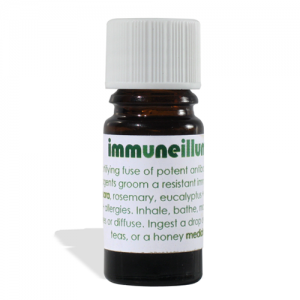
When traveling nationally, take Immune Illume, Digest The Best, and an essential oil based insect repellant with you. When traveling internationally, take the aforementioned products and a product like Miracle Mineral Solution or Adya Clear with you for purifying water and as a very potent way to ensure that no microbes or parasites are able to flourish inside your body. Miracle Mineral Solution is a very intense product, so use with care.

Easy intestinal parasite remedy

I began trying this remedy while in Ecuador, because if there was one thing I could get fairly easily it was Papaya. I did not have all of the products I mentioned above, so this was my best option. A gentle and easy option for parasites. I have not heard that it will work for bacteria, though. One-quarter of a Papaya seed consists of a highly digestible protein, which can be used to eliminate parasites. The seeds are soft enough to chew; yet they are spicy (horseradish-like). You might try blending them with juice or water & raw organic honey. Try at least twenty seeds per day for about five days.

Other acute intestinal bug remedies and cleansing assistance

(All of which I have utilized since leaving South America)

  • Colon Hydrotherapy, Home Enema, Colosan, or other all-natural, herbal, non-stimulant based laxative
  • Garlic (if you prefer to do without the odor of fresh garlic, Kyolic is a good product)
  • Miracle Mineral Solution
  • Probiotics

My most important tip

Be grateful for what is, what you have, where you are, and who you are with. Feel abundant and blessed no matter what the circumstance. You are always and will always be provided for. Right here right now is always a time to live in Love.


Click here to see photos of our incredible travel journey.

Bookmark and Share

Beauty Recipe: Chocolate Coconut Body Scrub

body scrub

Delectable Ingredients:
• 1 cup Turbinado Sugar
• 1/2 cup organic raw extra virgin Coconut Oil (in liquid form, warm at very low temp if necessary)
• 1 tsp organic Vanilla
• 3 Tbsp raw organic Cacao Powder

To Craft:
1. Mix all ingredients except for Cacao, adjusting amounts until ’scrub’ consistency is reached.
2. Carefully mix in Cacao powder.
3. Store in refrigerator in a glass jar with lid.

To Enjoy:
1. Scoop out a tablespoon of the scrub from the jar and massage over body in a circular motion.
2. Rinse.

Skin will be left soft, smooth, and deliciously scented!

Bookmark and Share

Ode to the Miraculous COCONUT

Photo Credit: pielad

Photo Credit: pielad

The Endless Health Benefits of the Coconut

Known as the “tree of life” in tropical cultures the wonderful fruit of the coconut palm has possibly the most health, skin, and functional benefits of any food on Earth. In recent years the incredible coconut has finally begun escaping the myths that had tarnished its name. Many still believe that it is fattening and will clog arteries because of its high saturated fat content, while in fact the opposite is true! Processed coconut products, such as sweet coconut cream, coconut sweets, and anything that has added sugar, trans fats, and chemicals will hurt your body and your waistline. Yet, fresh, pure Coconut is one of the most health-giving plants on the planet!

The following is from the Coconut Research Center
, www.coconutresearchcenter.org/:

For thousands of years in traditional medicine around the world coconut has been used to treat a wide variety of health problems including: abscesses, asthma, baldness, bronchitis, bruises, burns, colds, constipation, cough, dysentery, earache, fever, flu, gingivitis, gonorrhea, irregular or painful menstruation, jaundice, kidney stones, lice, malnutrition, nausea, rash, scabies, scurvy, skin infections, sore throat, swelling, syphilis, toothache, tuberculosis, tumors, typhoid, ulcers, upset stomach, weakness, and wounds.

Published medical and scientific research also shows the following benefits:

* Kills viruses that cause influenza, herpes, measles, hepatitis C, SARS, AIDS, and other illnesses.
* Kills bacteria that cause ulcers, throat infections, urinary tract infections, gum disease and cavities, pneumonia, and gonorrhea, and other diseases.
* The caprylic acid found in coconut kills fungi and yeasts that cause candidiasis, ringworm, athlete’s foot, thrush, diaper rash, and other infections.
* Expels or kills tapeworms, lice, giardia, and other parasites.
* Provides a nutritional source of quick and lasting energy.
* Boosts energy and endurance, enhancing physical and athletic performance.
* Improves digestion and absorption of other nutrients including vitamins, minerals, and amino acids.
* Improves insulin secretion and utilization of blood glucose.
* Relieves stress on pancreas and enzyme systems of the body.
* Reduces symptoms associated with pancreatitis.
* Helps relieve symptoms and reduce health risks associated with diabetes.
* Reduces problems associated with malabsorption syndrome and cystic fibrosis.
* Improves calcium and magnesium absorption and supports the development of strong bones and teeth.
* Helps protect against osteoporosis.
* Helps relieve symptoms associated with gallbladder disease.
* Relieves symptoms associated with Crohn’s disease, ulcerative colitis, and stomach ulcers.
* Improves digestion and bowel function.
* Relieves pain and irritation caused by hemorrhoids.
* Reduces inflammation.
* Supports tissue healing and repair.
* Supports and aids immune system function.
* Helps protect the body from breast, colon, and other cancers.
* Is heart healthy; improves cholesterol ratio reducing risk of heart disease.
* Protects arteries from injury that causes atherosclerosis and thus protects against heart disease.
* Helps prevent periodontal disease and tooth decay.
* Functions as a protective antioxidant.
* Helps to protect the body from harmful free radicals that promote premature aging and degenerative disease.
* Does not deplete the body’s antioxidant reserves like other oils do.
* Improves utilization of essential fatty acids and protects them from oxidation.
* Helps relieve symptoms associated with chronic fatigue syndrome.
* Relieves symptoms associated with benign prostatic hyperplasia (prostate enlargement).
* Reduces epileptic seizures.
* Helps protect against kidney disease and bladder infections.
* Dissolves kidney stones.
* Helps prevent liver disease.
* Is lower in calories than all other fats.
* Supports thyroid function.
* Promotes loss of excess weight by increasing metabolic rate.
* Is utilized by the body to produce energy in preference to being stored as body fat like other dietary fats.
* Helps prevent obesity and overweight problems.
* Applied topically helps to form a chemical barrier on the skin to ward of infection.
* Protects from the UV Rays of the sun
* Reduces symptoms associated the psoriasis, eczema, and dermatitis.
* Supports the natural chemical balance of the skin.
* Softens skin and helps relieve dryness and flaking.
* Prevents wrinkles, sagging skin, and age spots.
* Promotes healthy looking hair and complexion.
* Provides protection form damaging effects of ultraviolet radiation form the sun.
* Helps control dandruff.
* Does not form harmful by-products when heated to normal cooking temperature like other vegetable oils do.
* Has no harmful or discomforting side effects.

Coconut Oil: The “Healthiest Oil on Earth”
What makes coconut oil so amazing?
“The difference is in the fat molecule. All fats and oils are composed of molecules called fatty acids. Fatty acids consist of long chains of carbon atoms with hydrogen atoms attached. In this system you have short-chain fatty acids, medium-chain fatty acids, and long-chain fatty acids. Coconut oil is composed predominately of medium-chain fatty acids, also known as medium-chain triglycerides. The vast majority of commercial fats and oils, whether they are saturated or unsaturated or come from animals or plants, are composed of long-chain fatty acids.” – Coconut Research Center
All animal fats are extremely damaging to health. Refined Vegetable oils should also be avoided. Only use oils that are cold-pressed, unrefined, and FRESH.

“Our bodies respond to and metabolize each fatty acid differently depending on its size. So the physiological effects of medium-chain fatty acids in coconut oil are distinctly different from those of long-chain fatty acids more commonly found in unhealthy foods. They do not have a negative effect on cholesterol and help to protect against heart disease. Medium-chain fatty acids help to lower the risk of both atherosclerosis and heart disease.” – Coconut Research Center

Isn’t Coconut Oil Fattening?
Absolutely not! Coconut oil promotes weight LOSS. Long-chain fatty acids nearly always go to fat storage, while the medium-chain fatty acids are burned for energy. It is a high energy, long-lasting energy superfood! Coconut oil also helps to stimulate metabolism, so you burn more calories each day, which helps with weight loss and energy levels.

Coconut Oil is a Potent Immune Booster
Coconut Oil is overflowing with powerful Lauric Acid. 

Lauric Acid boosts immunity and destroys harmful bacteria and viruses. Coconut oil is actually one of the closest foods on Earth to human breast milk.
And Coconut water is the closet thing found in nature to human blood plasma. Drinking it is like receiving a blood transfusion! The water of the coconut is also beneficial to the detoxifying organs, such as the kidneys and liver, it recharges you full of electrolytes, and it is the perfect thirst quencher.

“Coconut oil contains lauric acid, which is converted by the body into monolaurin. The action attributed to monolaurin is that of solubilizing the lipids, in the envelope of the virus, causing the disintegration of the virus envelope.” – Tom Mountford, The Health Benefits of Coconuts

“Scientists in the Philippines researched the effects of coconut oil and lauric acid on patients with the HIV virus that causes AIDS. Most of the AIDS patients showed a dramatic drop in the HIV virus count, in some cases to “undetectable” levels.” -Sheryl Walters, citizen journalist

 (NaturalNews) Hopefully, more research will further substantiate these findings.

P.S. Good News: If you are allergic to coconuts, you may use coconut oil. Proteins in the coconut meat, not the oil extracted from it, cause the allergy.

Coconut: One of the most perfect Skin and Hair Beautifiers on the planet

The following except for ‘Coconut Oil for Hair and Scalp’ is from http://www.coconut-connections.com, Adapted from The Healing Miracles of Coconut Oil by Bruce Fife

Conventional body care products that are made with refined vegetable oils and animal oils generate free radicals both in and outside the body. If you use a lotion or cream with refined oil in it you are in fact causing your skin to age faster. Though it may seem to bring temporary improvement, the product will actually accelerate the aging of the skin and even promote skin cancer through the free radicals that are formed from the refined vegetable oils.

The small molecular structure of coconut oil allows for easy absorption through the skin. It prevents destructive free-radical formation and provides protection against them. It can help to keep the skin from developing liver spots, and other blemishes caused by aging and over-exposure to sunlight. It helps to keep connective tissues strong and supple so that the skin doesn’t sag and wrinkle. In some cases it might even restore damaged or diseased skin. The oil is absorbed into the skin and into the cell structure of the connective tissues, limiting the damage excessive sun exposure can cause. Coconut oil will not only bring temporary relief to the skin, but it will aid in healing and repairing long-term damage.

Coconut oil for Hair and Scalp
Saturating the hair and scalp with coconut oil and leaving in for 30 minutes or even overnight for greatest benefit will condition and soften the hair and scalp and help clear dandruff and other scalp conditions.

How Coconut Oil Protects the Skin in total Harmony
Healthy skin has a pH of about 5, making it slightly acidic. Natural skin oils, also known as Sebum, also contain medium chain fatty acids, in the form of medium chain triglycerides. The combination of slightly acid pH and medium chain fatty acids in Sebum provides a protective chemical layer on the skin that prevents infection from disease-causing organisms. Coconut oil is nature’s richest source of medium chain fatty acids. Coconut also has about the same pH as the skin, supporting its natural chemical balance.

When bathing or showering, soap washes the protective layer of oil and acid off our skin. By using a coconut oil product you can quickly help reestablish the skin’s natural antimicrobial and acid barrier.

Gorgeous Products Featuring Beautiful COCONUT OIL!

Radiant Love Butter
Delectable edible love lotion for moisture, massage, and play. For body, hands, lips – everywhere. A body or massage oil that glides, slides, smoothes and soothes skin. An organic orange swirl of vanilla and cinnamon dipped into raw oils of cococreme, jojoba and cacao butter for body, hands and lips.

Jai Baby Joy
Fresh infused vanilla beans dipped in coconut crème, jojoba and marula creating a loving oil to glide over a baby’s Jubilant skin. A beautiful libation for the whole family: beauty and baby massage oil for all faces to tiny toes, a blessing for pregnant tummies, for soft supple skin after bathing, and a very kissable men’s aftershave. Babies and bellies get yummier!

Everybody Loves the Sunshine
Let the sunshine in! Nourishment for sun-soaking and sun-soaked skin. Rich oils of the desert: jojoba plant, virgin coco-crème, red raspberry, seabuckthorn, schizandra berry, immortelle, carrot, rose, cape-chamomile, lavender, turmeric, lemon, palmarosa are a cooling canopy to restore and adore your heavenly body. So nourishing it is, the deep drink your whole body has been thirsting for. This Beautiful formula harmonizes your time in the sun.

Best Skin Ever and Ultra Restore & Ultra Sapphire also feature Coconut Oil


Enjoy the Coconut Love!

Bookmark and Share

Eating for Beauty and Health: My first RAW TRAVEL Report: TROPICAL ISLANDS

Photo Credit: KhayaL

Photo Credit: KhayaL

At home I am used to eating a great abundance of Organic vegetables all of the time – in the form of juices, salads, just out of the ground. When I first arrived in on the island in Belize, I was trying to get my hands on as many fresh veggies as I could. After I few days, the vegetables stopped feeling good and right in my body. Even though I was told they were organically grown, I researched with locals and found that they likely were not pesticide free. (‘Organic’ and especially organic certification are non-existent terms here, and pesticides are nearly ubiquitous.) Also, because many of the vegetables do not grow here in Belize they felt wrong in my body while staying on a tropical island!

I never eat tropical fruit at home, even though some grow locally during the spring and summer. Why? Because after several years, even though I have healed myself from many conditions, I still consider myself in the process of healing from a lifetime of damage resulting in Insulin Resistance, Polycystic Ovarian Syndrome, and Hypothyroidism. In order to heal these particular conditions, I was eating a very low glycemic diet with no fruit or sweeteners. I gradually moved to a low glycemic diet, then a low to moderate glycemic diet, which is where I have leveled out and what feels good to my body. I still do not use sweeteners at all except for my beloved unrefined Stevia. I do not eat fruits sweeter than apples and I do not eat dried fruits.

Here, far away from home, it took what felt like a huge amount of surrender to trust that eating what was available, plentiful, and grew naturally right here was the best way to serve my body! There was a time where I almost developed a fear of very sweet fruits (dates, bananas, etc.) because of the damage refined sweet foods had done to my body. Well, after I had my first plate or two of beautiful local fruits – Papaya, Banana, and Pineapple – I felt wonderful! I eat intuitively, based on what I feel I need and what feels good physically, mentally, emotionally, and spiritually – during and after I eat it. Now that I have been here for nearly two weeks and my body has adapted, I have been eating tropical fruits several times a day and that is what feels best to my spirit and body here in this tropical land.

I have a spiritual philosophy on food and nature. I believe that everything is nature was created to be the perfect nourishing, healing, loving gift to all beings. I have loved experiencing this even more fully and apparently as I have begun traveling to new parts of the world. The foods that feel nourishing, balancing, and happy in my body and spirit wherever I am are foods that grow right around me! The food that has been my greatest savior and joy here, and the food that grows wild, entirely without human intervention in total abundance . . . is the divine Coconut!

Surprisingly, few locals drink the coconut water or eat the fresh meat here. There are a few dishes, including the Caribbean variety (such as coconut curry shrimp) or the American variety (such as coconut pancakes or smoothies) that use coconut shreds and canned coconut milk. With locals and travelers alike, carrying a coconut in my arms, drinking the coconut water, and eating the meat has drawn lots of attention – both out of curiosity and oddity. Opening the coconut first to get to the water and then to meat takes some effort! My husband Jed has gallantly, generously, and most lovingly been getting the coconuts for me and uses a machete to quickly open them for water and then for meat, just like a local expert.

An aside – I have always relished the amazing water and meat of the coconut, but do not eat fresh coconuts very often in California because importing them from Thailand takes a toll on the environment and the nutritional value of the coconut. Also, there are few sources for Organic young coconuts in California, unless you live in the vicinity of coconut palms and can get them directly from the tree. There are two resources online that I found – but you have to order in bulk. The sites are: www.genefitnutrition.com and www.rawguru.com Also, you can find these organic young coconuts at Erewhon in Los Angeles. TAKE NOTE: The Young Thai Coconuts you find at your local health food store or Asian Market are NOT organic. (Easily identified – they are white and dome-shaped, not like the older coconuts while have a stringy, brown husk.) ALL of these are dipped in a preservative and pesticide, usually Formaldehyde – ick! Also, never drink the coconut water in boxes and especially aluminum cans! It is not organic and has little nutrient value, if any, left and you’ll be drinking aluminum when you drink it from the cans. You can taste the aluminum very strongly. The only fresh, organic bottled version of coconut water is made by Body Ecology and can be found in the freezer section of your health food store.

Traveling here was a challenge at first. I have become so accustomed to being the one in charge of what I eat and having such an endless abundance of food options! Being in the tropics with very little food options and receiving food from others rather than preparing it myself has been a process of progressing openness, flexibility, and surrender. My surrender to the food and the blessings that are here has allowed even greater joy and gratitude.

Bookmark and Share

My Picks for Essential Beauty and Body Care While Traveling

Photo Credit: Kuzeytac

Photo Credit: Kuzeytac

Jed and I are on a four-month travel adventure with only small backpacks with us. The most challenging thing for me in planning for our time away was choosing and narrowing down which items to bring for beauty and body care. I poured over my products for two weeks, eliminating, adding, organizing, and deciding what I would need and what would fit in my quart size bag. Yes, this is based on being limited to a quart size bag of items for a several month-long period. Quite an undertaking for me!
Here’s what I have with me:

Facial Moisturizer, Cleanser, and Toner:
100ml Best Skin Ever

Extra Facial Cleanser to help remove excess sunscreen:
Black Velvet

I have been using this on days where I was playing in the sun all day and needed multiple applications of sunscreen and had some buildup.

Sunscreen:
Antioxidant Sun Butter
Complete Organic and Natural Sunblock with Transparent Zinc

Works beautifully, smells great, goes on like a body butter or cream moisturizer, no white zinc oxide layer – yay! Please note that you will need a stronger sunscreen if you are going to be out in tropical sunshine all day long. I have been trying one from Loving Naturals. The Loving Naturals product works okay. The consistency is very runny and liquidy, which is not ideal.

Tooth Care:
Neem Enamelizer Liquid Tooth Polish
Yogi Tooth Serum

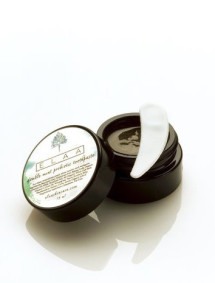
Homemade Tooth Powder for occasional extra stain and plaque removal

Hair Care:
Shampoo: I love Morrocco Method Shampoos, but I generally need a larger quantity of it than a lathering shampoo to get my long, curly hair shiny and clean, so I brought the best all-over-body wash ever, Seabuckthorn Shampoo & Body Wash. A little goes a very long way.
Conditioner:
Chi Instant Hair Conditioner

Body Cleanser:
I could not fit a large amount of the Seabuckthorn Shampoo & Body Wash in my bag, so I also brought a wonderful Bar Soap along so I did not have to fit it in the quart size bag.

Deodorant:
Poetic Pits

One of my favorite products EVER!

Insect Repellant:
My own blend of the best essential oils in the world. We hope to add a beautiful array of pure essential oils to the site soon. Let me know if you are excited about this, and your interest will make it sooner rather than later.

Lips:
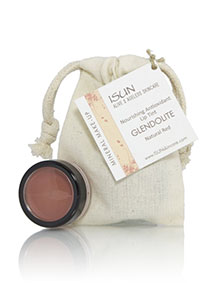
Cape Chamomile Vanilla Lavender Lover Lips

Body Moisturizer:
I would have loved to bring any of our butters, creams, lotions, or oils, but sadly I did not have room in the quart size bag, so I brought something solid, raw organic Cacao Butter. As wonderful as it works and smells, I really do regret not bring something more generously spreadable. The solid bar just hasn’t been enough to coat my body in yumminess like I usually love to do.

Internal Remedies:
For Immunity and Digestion – total lifesavers already. Not yet on our site! If you would like to have these available, do let me know. If there are enough people interested, I will add them to the store for sure!

Food:
Billy’s Infinity Greens
Some days I don’t know what I would have done without it!

Also Beneficial:
Spirulina and Chlorella Tablets
Sprouted & Dehydrated Nuts and Seeds, when fresh food and a refrigerator is not an option

What I did not bring, but wish I had with me:

Photo-Enzyme Serum
DNA UV Protection & Damage Repair with Phytoplankton & SOD Enzymes

Everybody Loves the Sunshine
Nourishment for sun-soaking and sun-soaked skin

Wishing you a beautiful adventure (whether traveling or at home)!

Bookmark and Share

Oral Health from the Inside Out

Photo Credit: sweetbeetandgreenbean

Photo Credit: sweetbeetandgreenbean

Proper oral care is extremely important, but the health of your teeth and gums is also primarily determined by how healthy your body is on the inside. Using the best oral care products possible and brushing 10 times a day will not protect against decay if your diet is high in refined foods. The further away a food is from it’s natural state, the more harm it can bring your teeth. Refined foods lead to higher acidic levels in your body. This damages teeth and gums. When the body is acidic, it borrows the calcium and other minerals it is depleted of from teeth and bones.

A diet high in vitamins and minerals is essential for oral health – particularly calcium and vitamins A and D. Vitamins A and C are needed for the absorption of calcium, and calcium is an important element in our teeth.

Choose these foods that are abundant in vitamins and minerals and foods that naturally fight bacteria, remove plaque, strengthen enamel, and freshen breath:

1. Sea Vegetables
Sea vegetables are very rich in calcium and they also contain large amounts of vitamin C. They also has contain Fluorine, which fights tooth decay.

2. Vegetables
Green plants have large amounts of chlorophyll, phosphorous, and vitamins A and C, all of which are needed for calcium absorption. Chlorophyll helps build enamel and prevents tooth decay. Vitamin C helps reduce plaque from building up. Broccoli, carrots, sweet potato, pumpkin are all vegetables that contain large amounts of vitamin A. Vitamin A is required for the formation of tooth enamel. Crunchy vegetables also bring health to gums by cleansing and stimulating them.

3. Fruits
Most fruits contain good amounts of vitamin C. Vitamin C creates the cement that holds all of our cells together. It is vital for beautiful skin, and for the health of your gum tissue. If you don’t get enough vitamin C, the collagen network in your gums can break down, making your gums tender and more susceptible to the bacteria that cause periodontal disease. Kiwis are particularly high in vitamin C. Berries such as Goji Berries, Blackberries, Strawberries, Camu Camu berry, and Cloudberry are bursting with large amounts of vitamin C.

Be sure to rinse your mouth out with water or brush immediately after eating fruit, so that the sugars and acids are not sitting on your teeth. If you eat citrus fruit, rinse with water, but wait at least 30 minutes before brushing to avoid damaging enamel.

4. Onions
Onions contain powerful sulfur compounds, which kill various types of bacteria. Their antibacterial compounds are most potent when eaten freshly peeled and raw. p.s. There are some tips below for natural breath fresheners.

5. Celery
Celery protects your teeth in two ways: The extra chewing it requires produces plenty of saliva, which neutralizes the bacteria that causes cavities. Additionally, chewing on naturally abrasive foods massages gums and cleans between teeth.

6. Sesame seeds
Sesame seeds are high in calcium, which helps preserve the bone around your teeth and gums. Eating Seeds (in their whole form) also slough off plaque and help build tooth enamel.

7. Shiitake Mushrooms
Lentinan, a sugar found in shiitake mushrooms, prevents mouth bacteria from creating plaque.

8. Water
Water cleanses the mouth, allowing the saliva to work wonders depositing essential minerals back into the weakened teeth. Drinking water keeps your gums hydrated and is the best way to stimulate saliva–your body’s greatest defense against the bacteria that cause plaque and cavities. Rinsing your mouth with water also helps wash away trapped food particles that decompose in the mouth and cause bad breath. If you can’t brush your teeth after eating, be sure to rinse your mouth with water.

Sources:

  1. Berry, Lynn, Beyond Non-Toxic Toothpaste: Tips for Healthy Teeth, NaturalNews.com, December 8, 2007
  2. 10 Most Healthy Foods for Teeth, Dental Health Magazine, April 16th, 2009
  3. Knittel, Linda, 10 Foods for a healthy, beautiful smile: protect your teeth and gums with these stellar foods – Diet and nutrition: how to eat right, Natural Health, Dec, 2002, Weider Publications, Gale Group
Bookmark and Share